A special project created with the support of the Jewish news portal · We sincerely love Azerbaijan — our Homeland, its people, culture, history and unique diversity.
Mugham
RUAZENHE
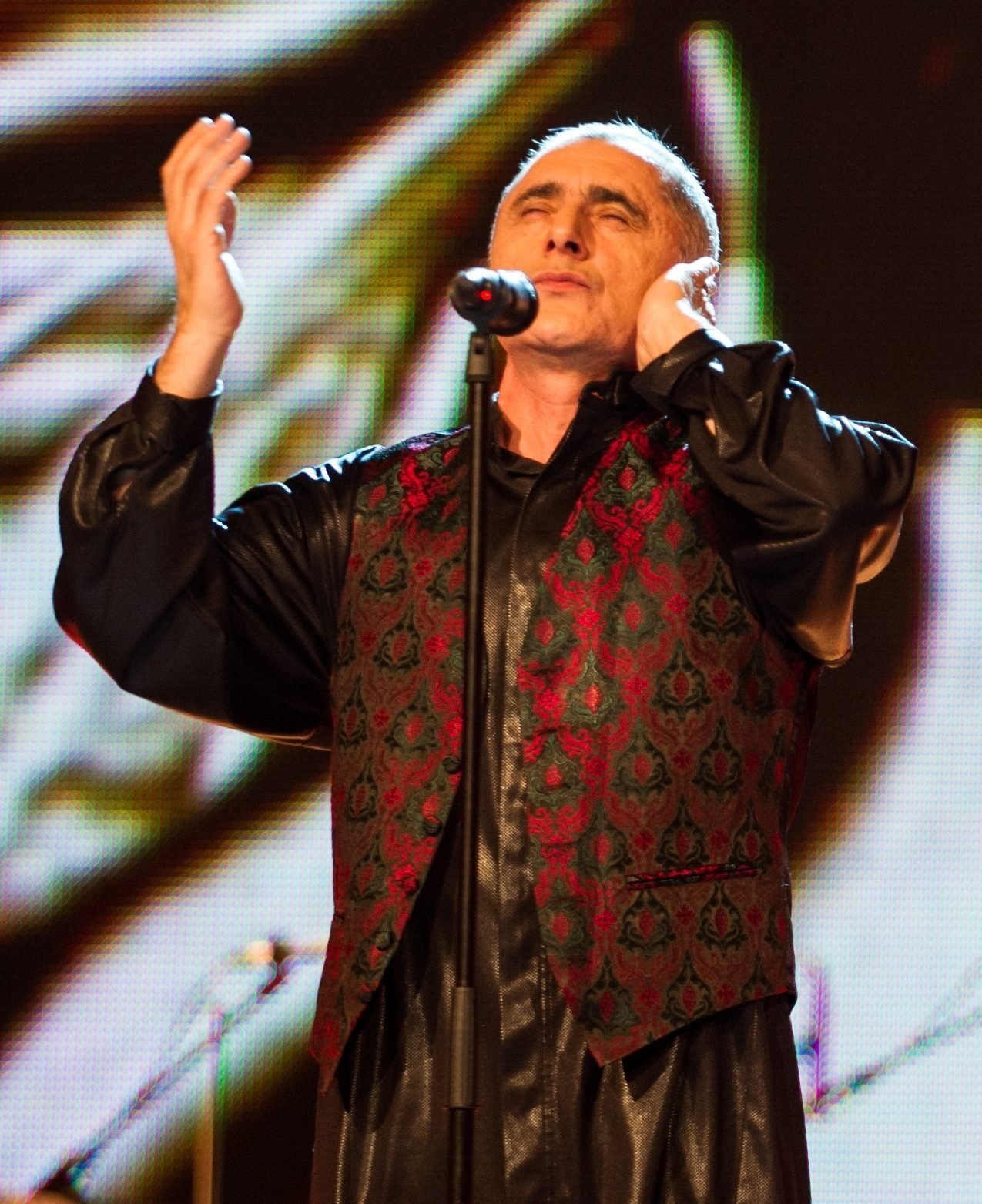
Исполнение мугама — ханенде и тарист на сцене
AzerbaijanUNESCO heritage

MughamA voice that rises from the depths — an art of improvisation centuries old

Mugham is the soul of Azerbaijani music: a fusion of poetry, mode and improvisation in which singer and instruments hold an endless dialogue.

Scroll

About mugham

Mugham is not sung from notes — it is lived.

Mugham is the classical musical art of Azerbaijan, based on a modal system and improvisation. These are not fixed compositions but a living tradition: every performance is born here and now.

In mugham, music and poetry meet: the khanende (singer) sings the ghazals of the classics — Fuzuli, Nasimi, Vidadi — and the instruments hold a dialogue with the voice.

In 2003 UNESCO proclaimed Azerbaijani mugham a masterpiece of the oral and intangible heritage of humanity, and in 2008 inscribed it on its list.

In brief

Mugham in a few modes
2003UNESCO: masterpiece of humanity’s heritage
1908the first mugham opera, “Leyli and Majnun”
7main dastgahs (modes)
Shushathe historic cradle of mugham
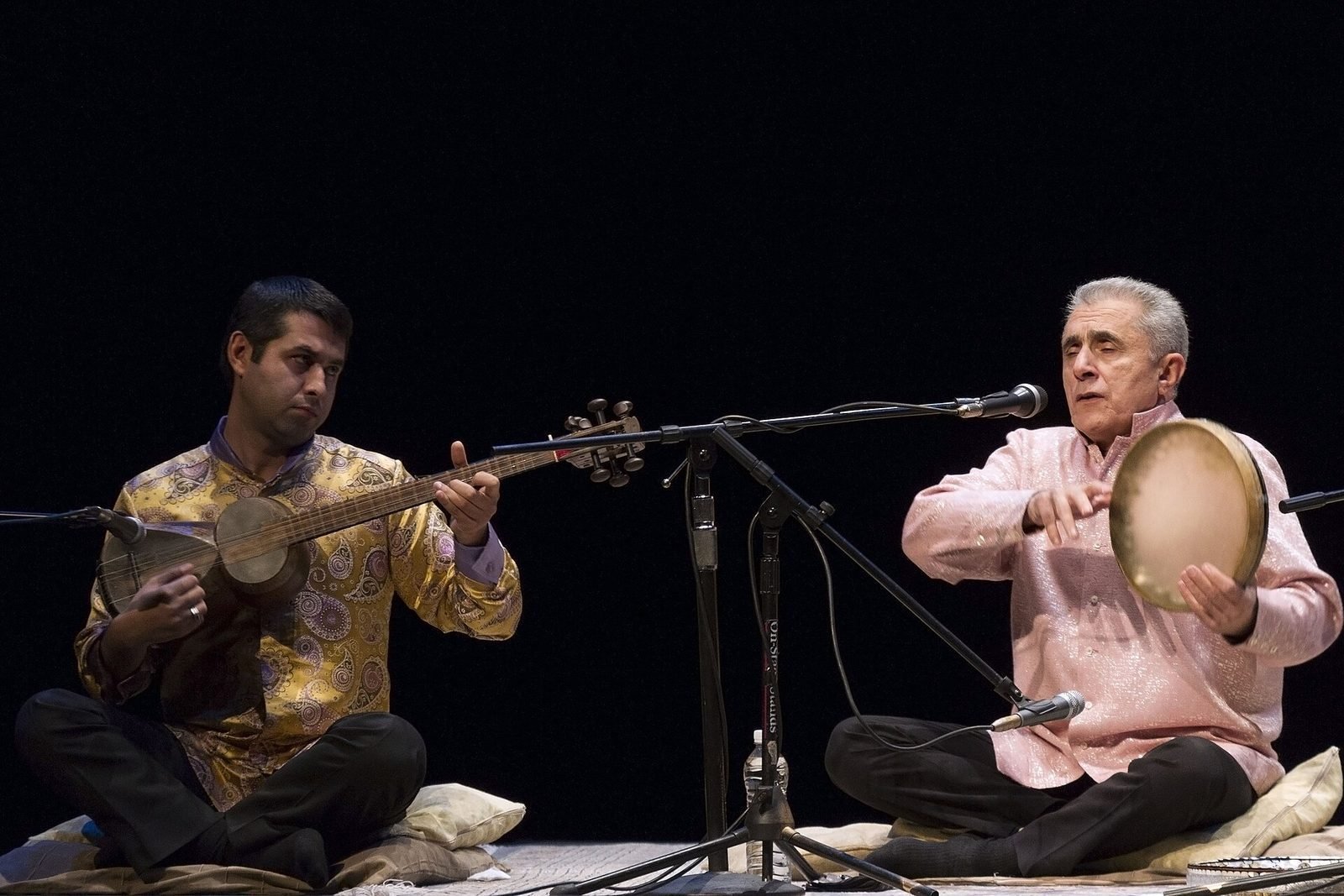
Исполнение мугамаDastgah

The essence

Music as a journey

The large form of mugham is the dastgah: a chain of sections by which the performer rises from calm low notes to an emotional peak and returns. It is a musical journey through the mode.

Within mugham’s strict rules lies enormous freedom: no two performances are ever the same.
What is mugham →

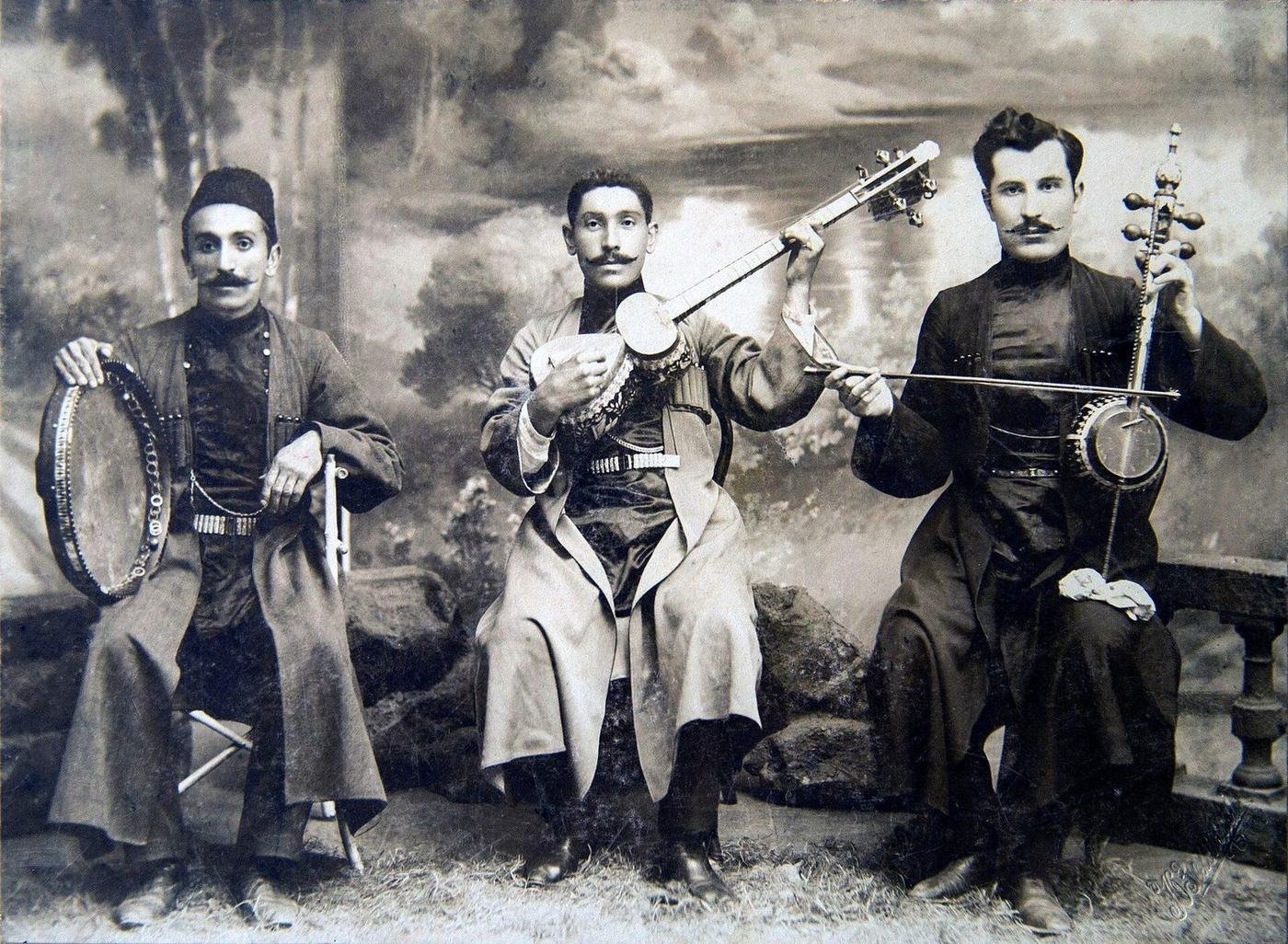
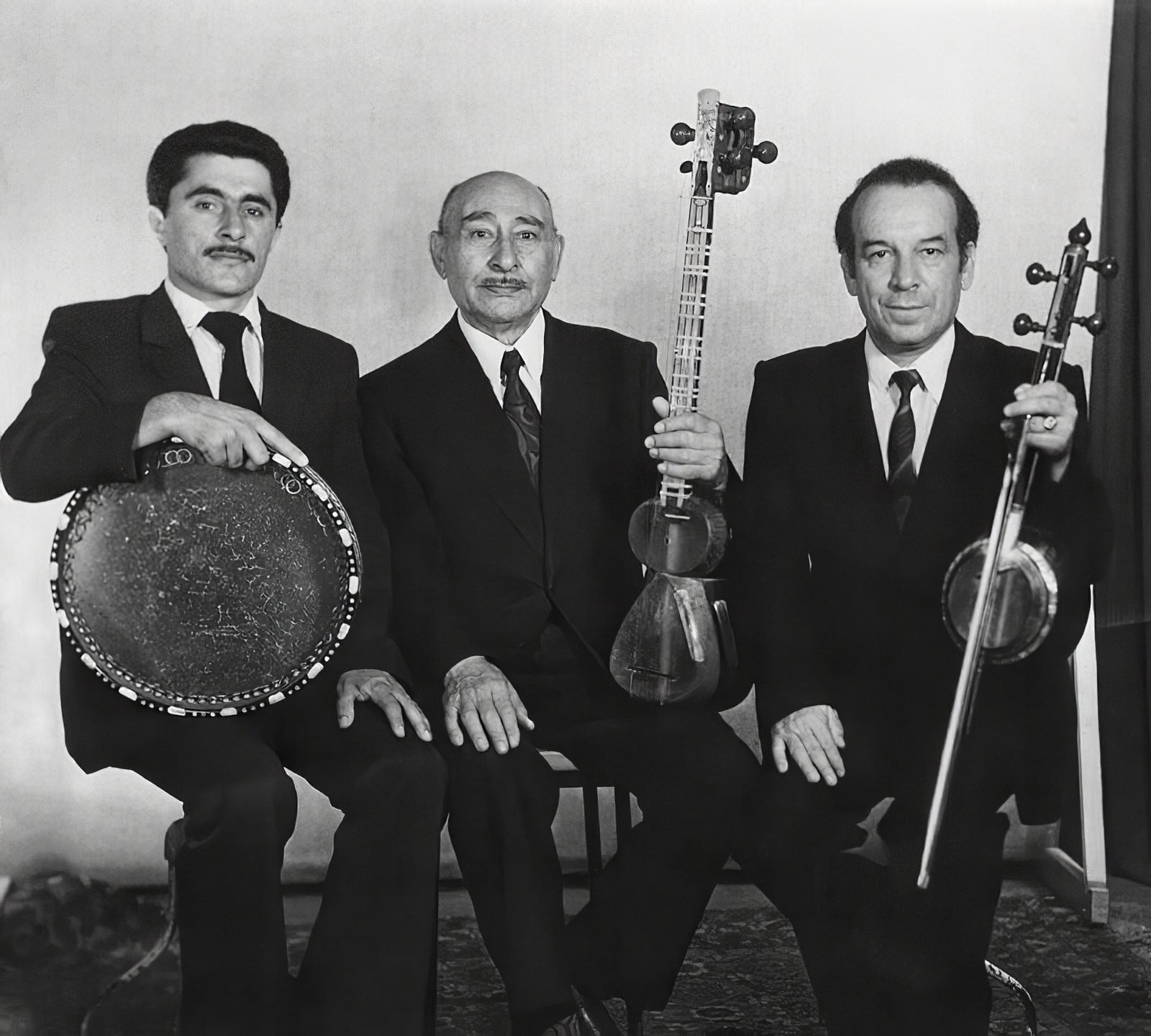
Исторический ансамбль мугамаThe old masters

The names

From Jabbar to Alim

Mugham passes from teacher to student. Jabbar Garyaghdioglu, Seyid and Khan Shushinski, Bulbul laid the 20th-century tradition; today it is carried by Alim Qasimov and his daughter Fargana.

These voices made mugham known on stages all over the world.
Masters of mugham →

“Mugham begins where words end.”

The soul of Azerbaijani music
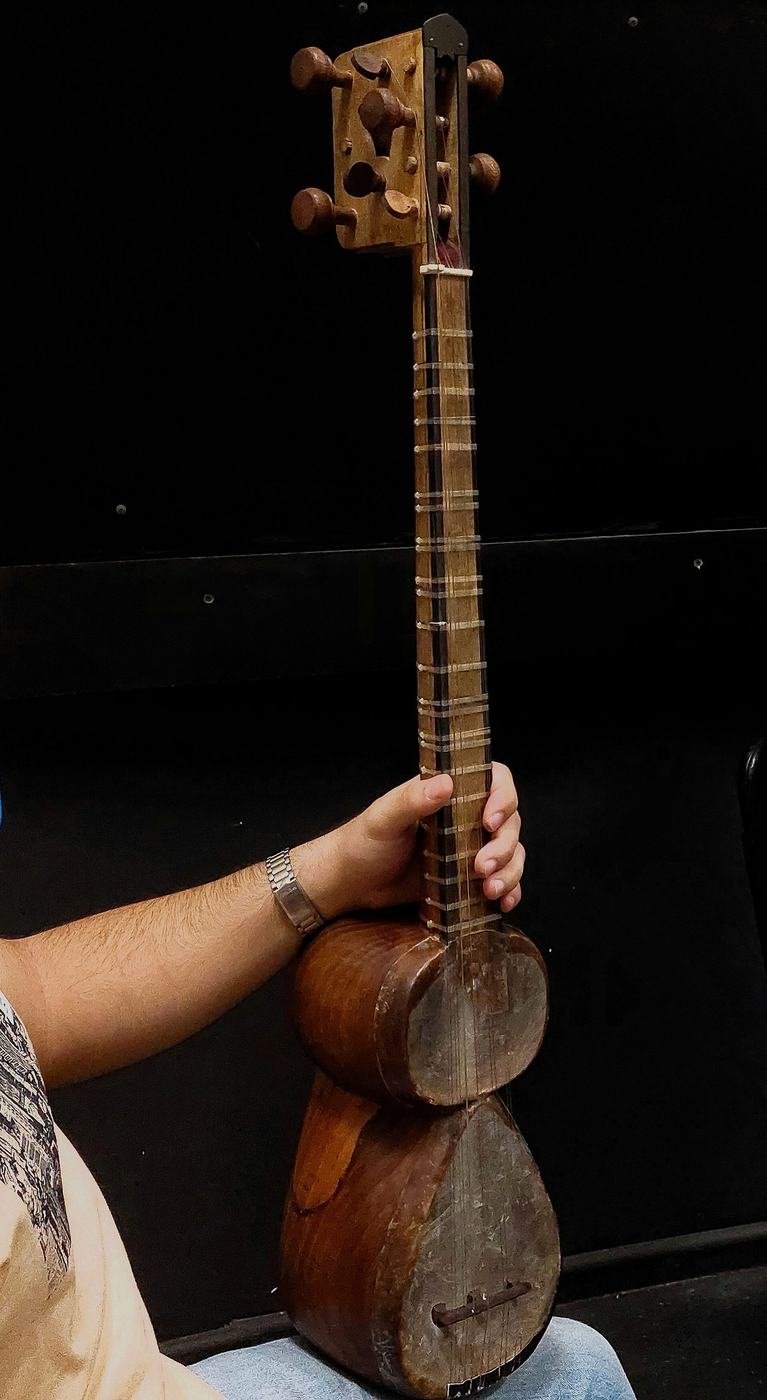
Тар — главный инструмент мугамаTar

The sound

Tar, kamancha and gaval

The classic mugham trio is the khanende with a gaval (frame drum) and two sazende: a tar player and a kamancha player. The tar — a string instrument with a double bowl — is called the king of Azerbaijani music.

Together they create the very fabric of sound through which the voice travels.
Instruments →

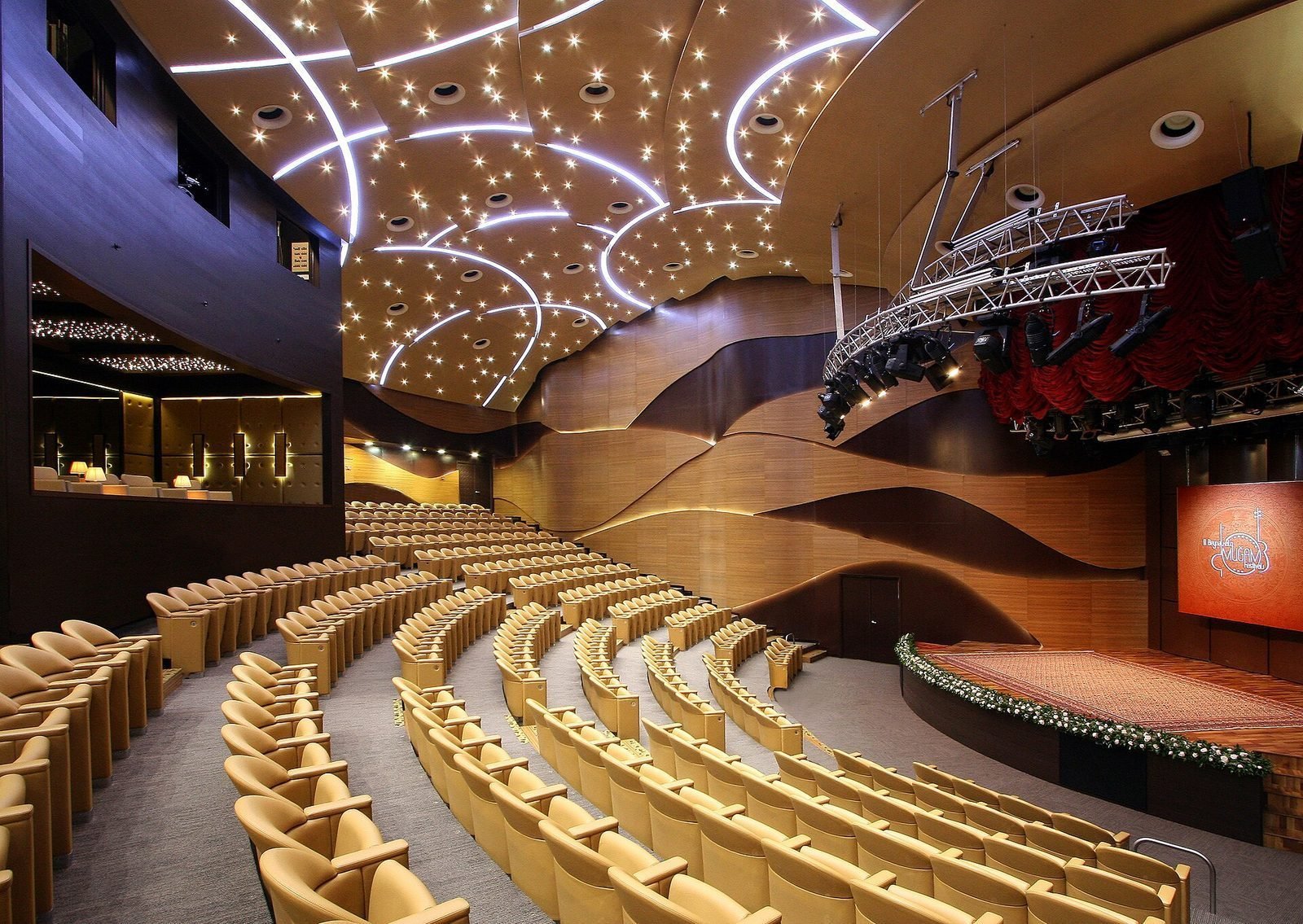
Международный центр мугама в БакуMugham Center

Today

A living tradition

Baku has the International Mugham Center; competitions and festivals are held, and mugham meets jazz. The ancient art is no museum piece — it sounds today.

From mugham grew mugham-jazz — Azerbaijan’s contribution to world music.

Mugham today →

Questions & answers

Mugham in brief

What is mugham?
Mugham is the classical musical art of Azerbaijan, built on a modal system and improvisation. It is a fusion of music and poetry in which singer and instruments hold a living dialogue within strict yet free rules.
Is mugham recognised by UNESCO?
Yes. In 2003 UNESCO proclaimed Azerbaijani mugham a masterpiece of the oral and intangible heritage of humanity, and in 2008 inscribed it on its Representative List.
What is a dastgah?
A dastgah is a large cyclical form of mugham: a sequence of sections by which the performer rises from calm notes to a climax and returns. Among the main modes are Rast, Shur, Segah, Chahargah, Bayati-Shiraz, Shushtar and Humayun.
Which instruments sound in mugham?
The classic mugham trio is the khanende (singer) with a gaval (frame drum), a tar player and a kamancha player. The tar — a string instrument with a double bowl — is considered the main instrument of Azerbaijani music.
Who is a khanende?
A khanende is a mugham singer. He not only sings but improvises, leading the listener through the emotional peaks of the ghazal; he is accompanied by the sazende — the instrumentalists.
Are mugham and jazz connected?
Yes. From the fusion of mugham and jazz came mugham-jazz — a genre created by Vagif Mustafazadeh that made Azerbaijani music famous worldwide.