About mugham
Mugham is not sung from notes — it is lived.
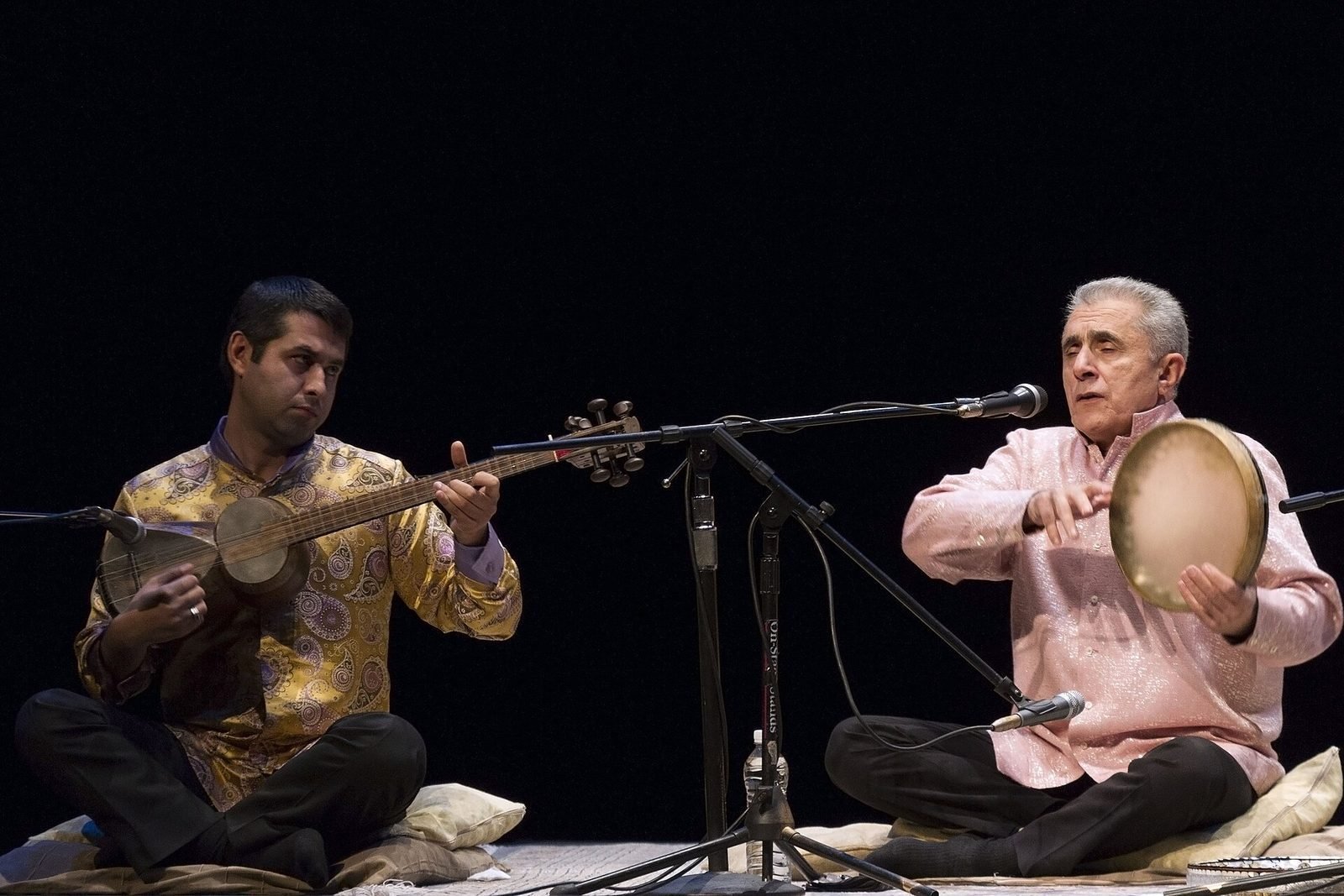
Mugham is the classical musical art of Azerbaijan, based on a modal system and improvisation. These are not fixed compositions but a living tradition: every performance is born here and now.
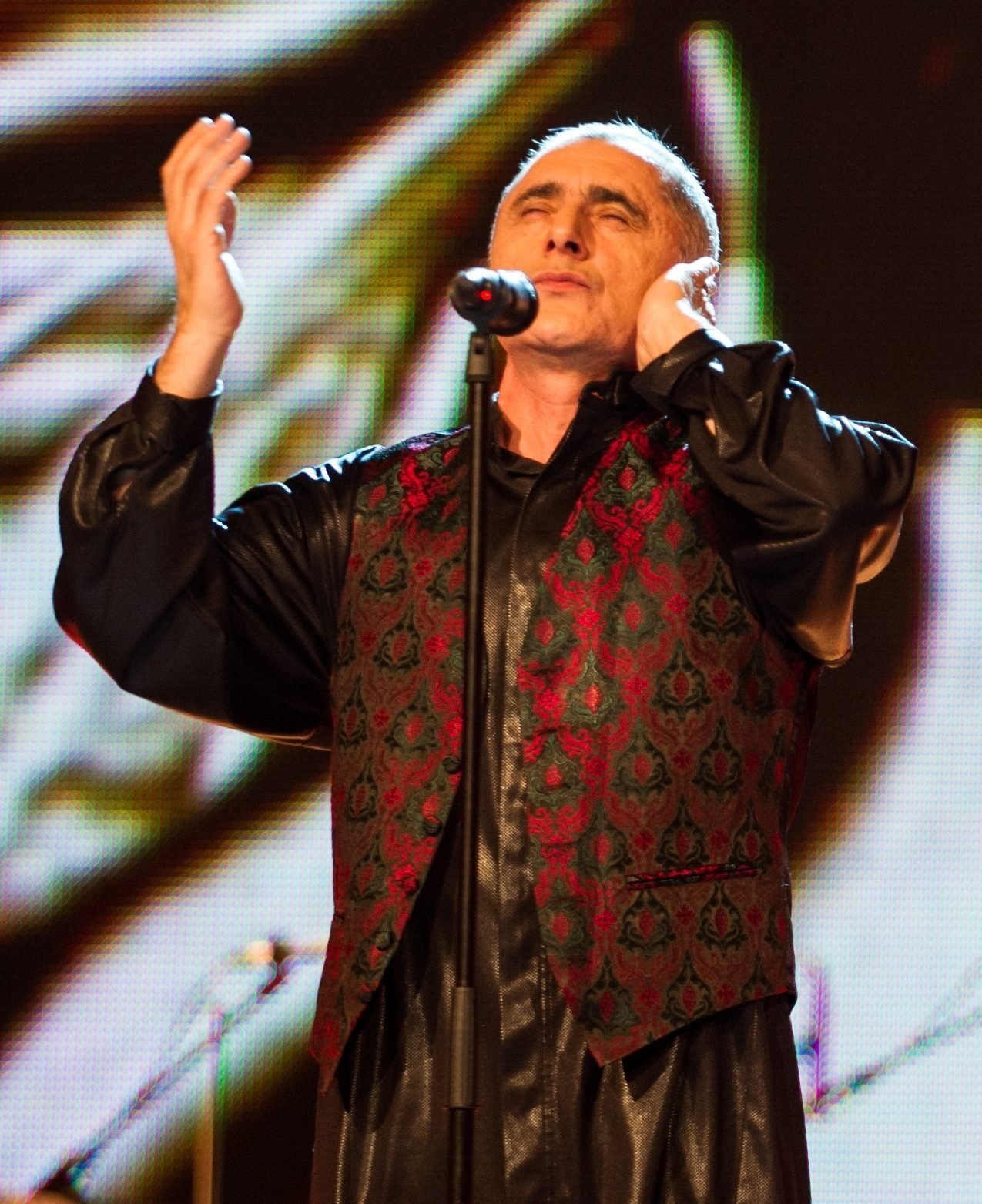
In mugham, music and poetry meet: the khanende (singer) sings the ghazals of the classics — Fuzuli, Nasimi, Vidadi — and the instruments hold a dialogue with the voice.
In 2003 UNESCO proclaimed Azerbaijani mugham a masterpiece of the oral and intangible heritage of humanity, and in 2008 inscribed it on its list.
In brief
Mugham in a few modes
 Dastgah
The essence
Music as a journey
The large form of mugham is the dastgah: a chain of sections by which the performer rises from calm low notes to an emotional peak and returns. It is a musical journey through the mode.
Within mugham’s strict rules lies enormous freedom: no two performances are ever the same.
 The old masters
The names
From Jabbar to Alim
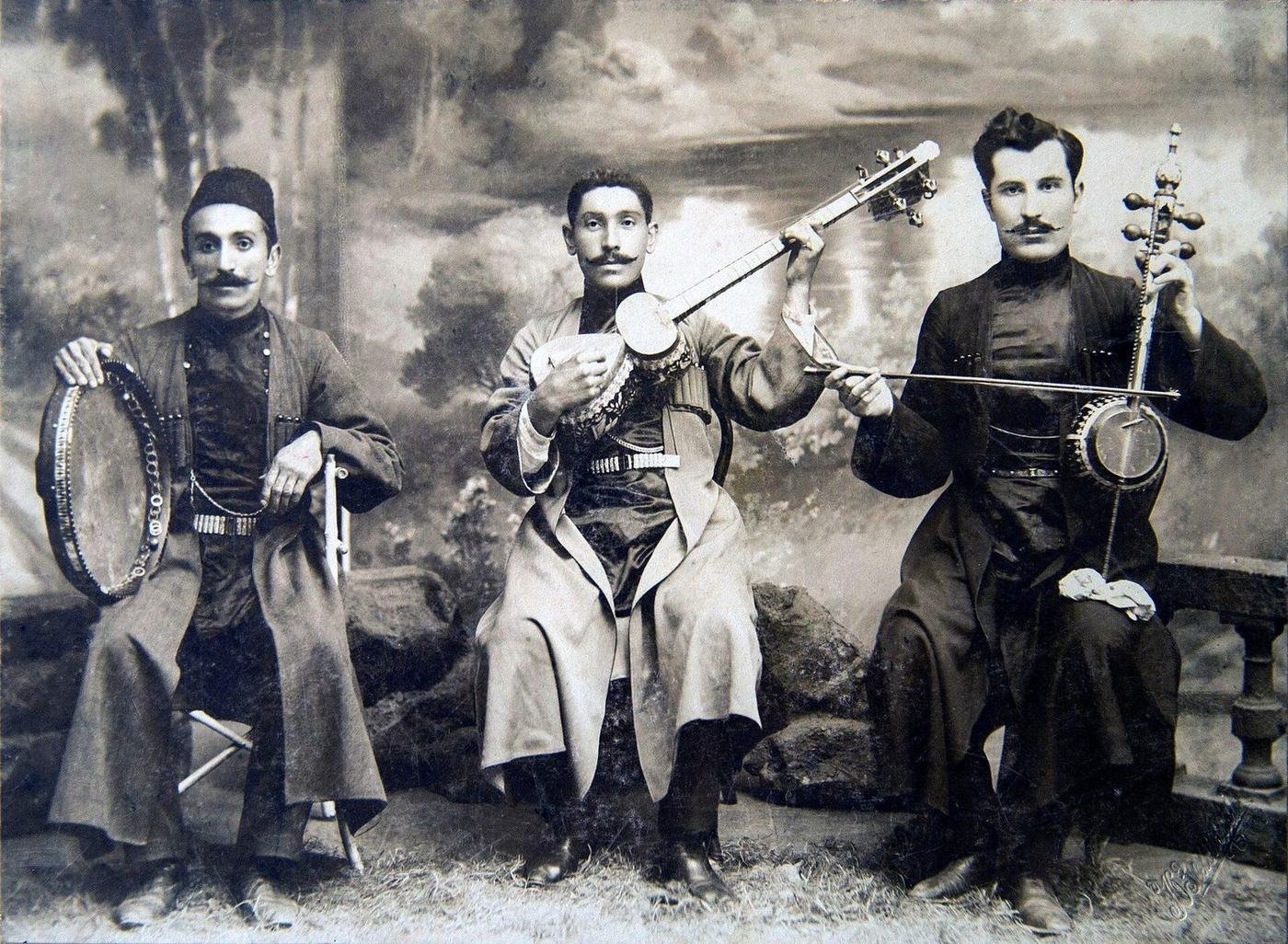
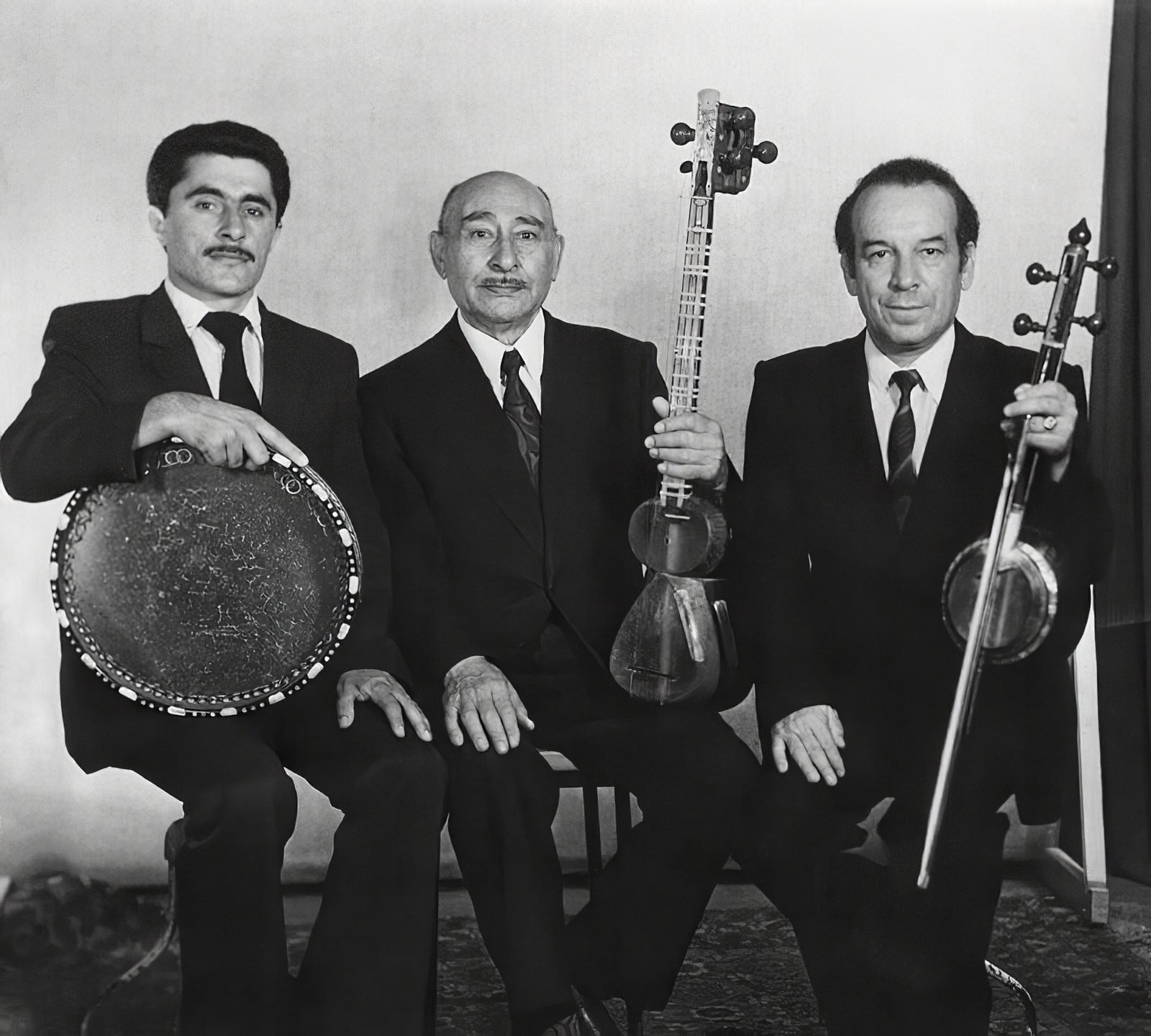
Mugham passes from teacher to student. Jabbar Garyaghdioglu, Seyid and Khan Shushinski, Bulbul laid the 20th-century tradition; today it is carried by Alim Qasimov and his daughter Fargana.
These voices made mugham known on stages all over the world.
“Mugham begins where words end.”
The soul of Azerbaijani music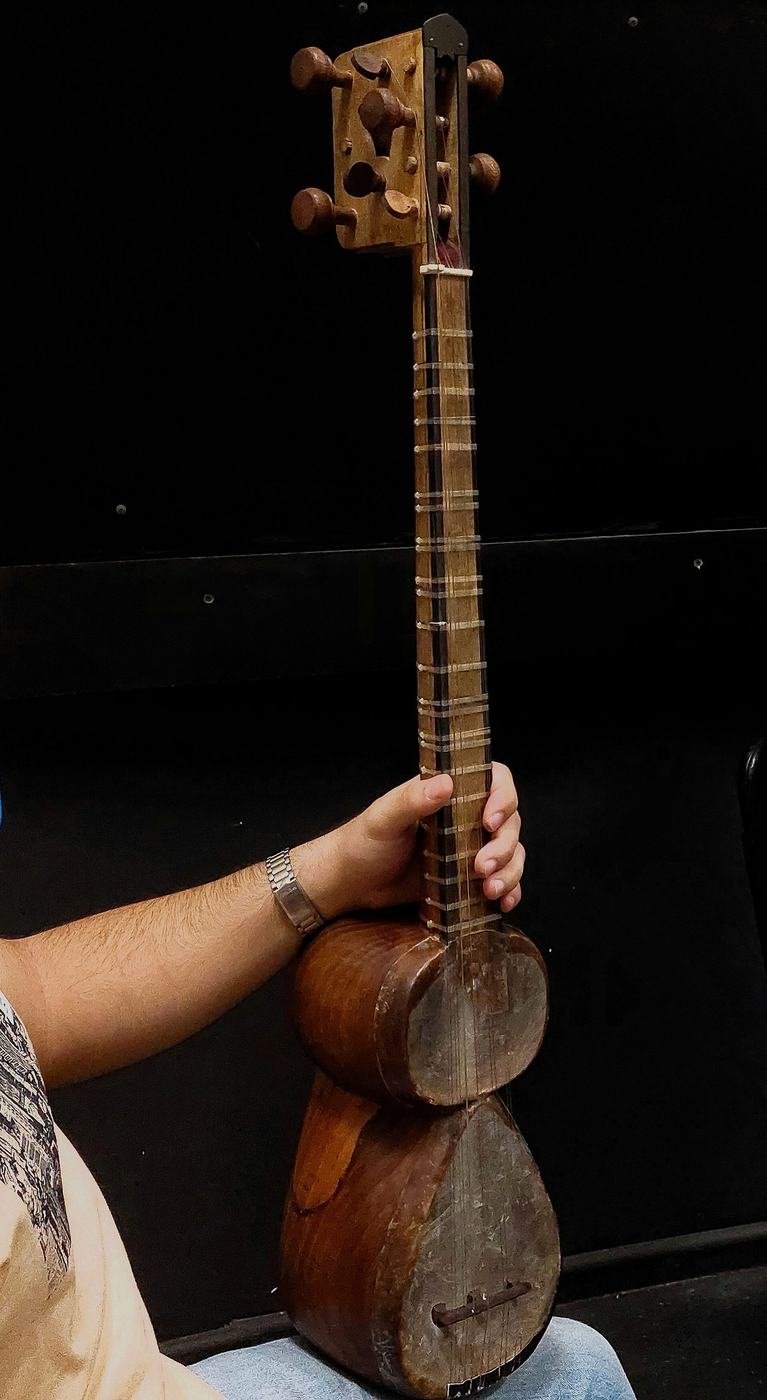 Tar
TarThe sound
Tar, kamancha and gaval
The classic mugham trio is the khanende with a gaval (frame drum) and two sazende: a tar player and a kamancha player. The tar — a string instrument with a double bowl — is called the king of Azerbaijani music.
Together they create the very fabric of sound through which the voice travels.
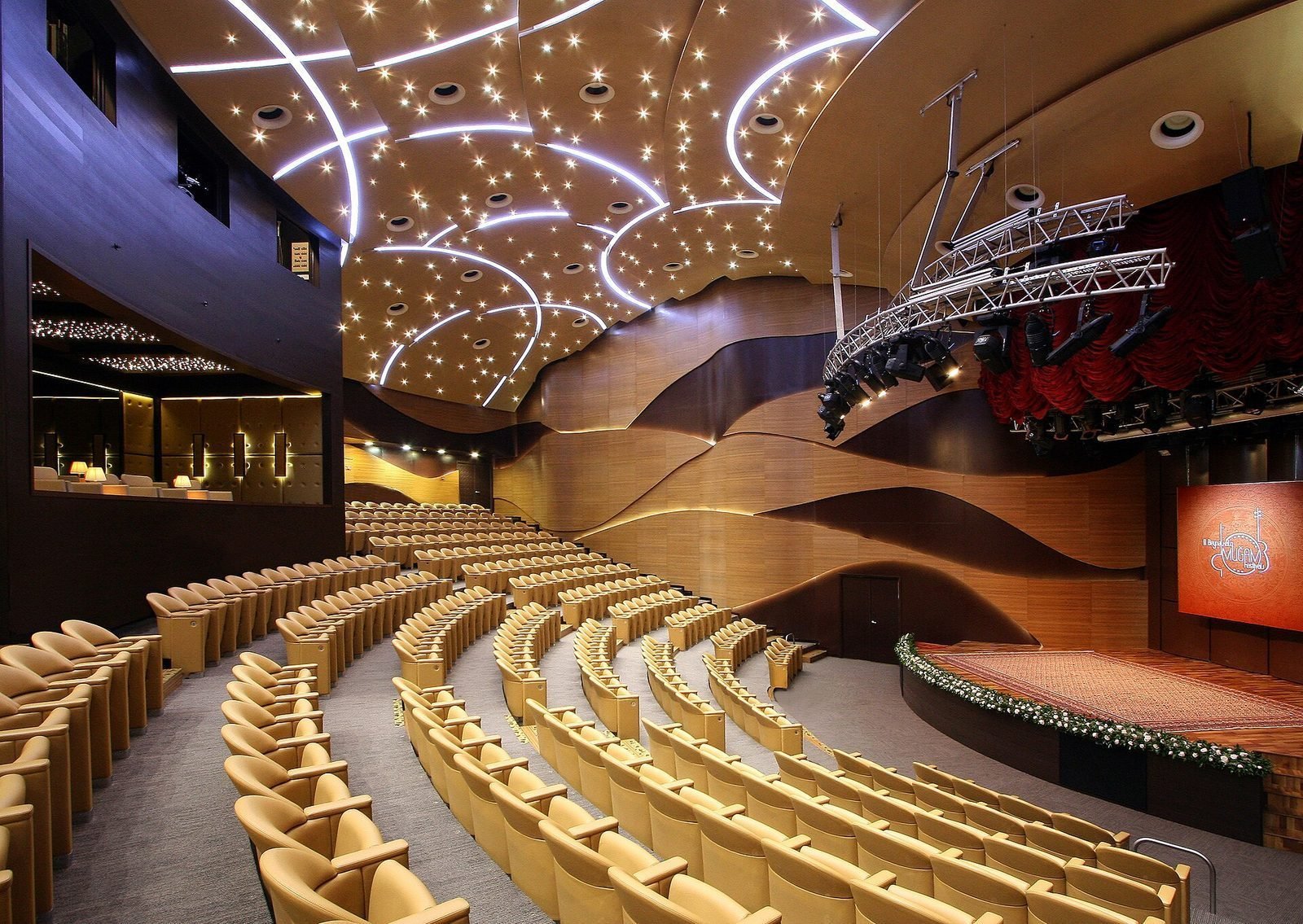 Mugham Center
Today
A living tradition
Baku has the International Mugham Center; competitions and festivals are held, and mugham meets jazz. The ancient art is no museum piece — it sounds today.
From mugham grew mugham-jazz — Azerbaijan’s contribution to world music.
Sections
Explore further
Questions & answers